
Asphalt Paving, Patching & Repair: What Property Owners Should Know
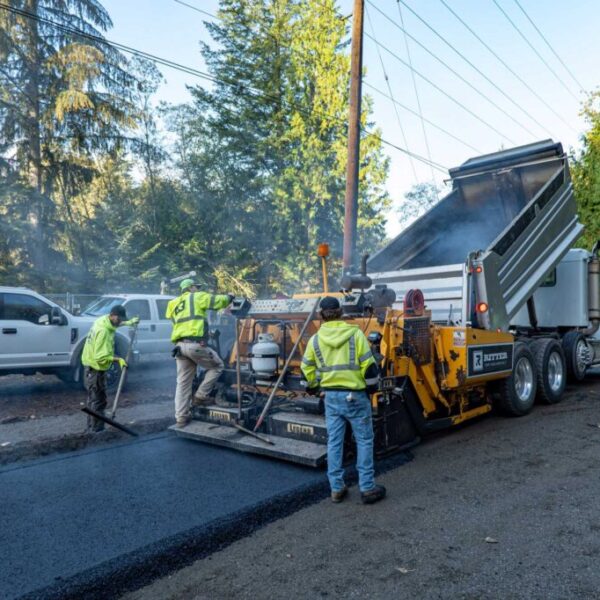
A smooth, freshly paved asphalt surface looks great, but what you see on top is only part of the story.
Whether you’re installing a new driveway, repairing a parking lot, or trying to get a few more years out of an existing asphalt surface, the quality of the finished project depends on more than the asphalt itself.
At Ritter Dirt & Asphalt, we look at the whole picture.
From drainage and site preparation to the condition of the base beneath your asphalt, understanding why a surface is failing is one of the most important steps in determining the right way to repair it.
Why Does Asphalt Fail?
Asphalt is durable, but it isn’t indestructible. Over time, weather, traffic, water, ground movement, and normal wear can all take their toll.
Here in the Pacific Northwest, water is one of the biggest concerns.
When water finds its way beneath asphalt, it can weaken the underlying base. Once that foundation begins to move or deteriorate, the asphalt above it may crack, sink, develop potholes, or begin breaking apart.
Some common warning signs include:
- Cracks that continue to grow or return after being filled
- Potholes
- Low or sunken areas
- Standing water
- Crumbling edges
- Uneven surfaces
- Areas that feel soft or unstable
- Widespread cracking or “alligator” cracking
The important thing to remember is that the visible damage isn’t always the actual problem.
Sometimes the asphalt is failing because the surface has simply reached the end of its useful life. Other times, the real issue is underneath it.
Asphalt Patching: When a Smaller Repair Makes Sense
Not every damaged asphalt surface needs to be completely replaced.
When deterioration is isolated to a specific area and the surrounding pavement and base are still in good condition, asphalt patching can be an effective and economical solution.
A proper patch may involve removing the damaged asphalt, evaluating and repairing the base as needed, preparing the area, installing new asphalt, and compacting it to create a durable repair.
Patching can be a good solution for isolated potholes, damaged sections of parking lots, utility cuts, localized cracking, or smaller areas where the pavement has failed.
The key is determining why that particular area failed in the first place.
Simply covering a problem without addressing its cause may make it look better temporarily, but it doesn’t necessarily solve it.
When Is It Time for New Asphalt?
There comes a point when continuing to patch an aging or extensively damaged surface no longer makes financial sense.
If cracking and deterioration are widespread, the base has significant problems, drainage needs to be corrected, or repairs are becoming increasingly frequent, a larger asphalt replacement or paving project may provide better long-term value.
This is where experience matters.
The goal shouldn’t be to recommend the biggest project possible. It should be to determine what your property actually needs and help you understand the options.
Sometimes that’s a repair.
Sometimes it’s an overlay.
Sometimes the right answer is removing the existing asphalt, correcting the underlying issues, and starting with a properly prepared foundation.
Great Asphalt Starts Below the Surface
One of the most important parts of an asphalt project happens before the asphalt ever arrives.
Base preparation matters.
A properly prepared base helps distribute loads, provides stability, supports drainage, and gives the asphalt above it a solid foundation.
If the base is soft, poorly compacted, improperly graded, or continually exposed to water, even quality asphalt can eventually fail.
That’s why our dirt and excavation experience is such an important part of the asphalt work we do at Ritter.
We aren’t only looking at the pavement.
We’re looking at the ground underneath it, how the site is graded, where the water goes, how the area is being used, and what needs to happen to give the finished project the best chance of performing well for years to come.
Don’t Ignore Drainage
Around Bellingham and throughout Whatcom and Skagit Counties, drainage isn’t an afterthought.
It’s part of the project.
Standing water on pavement can be an obvious problem, but water moving underneath the surface can cause even more damage. Poor grading, inadequate drainage, saturated base material, and runoff flowing toward paved areas can all contribute to premature asphalt failure.
Before investing in a major repair or paving project, it’s worth asking:
Why did the old asphalt fail?
If water contributed to the problem, putting new asphalt over the same conditions may eventually produce the same result.
As we like to say at Ritter:
Water tells the truth.
Residential & Commercial Asphalt Solutions
Asphalt serves a wide variety of properties, and every project has different requirements.
Ritter Dirt & Asphalt works with homeowners, businesses, property managers, contractors, and commercial property owners on projects including:
- Driveways
- Parking lots
- Private roads and access areas
- Asphalt repairs and patching
- Pothole repairs
- Asphalt overlays
- New asphalt paving
- Site preparation and grading
- Drainage corrections associated with paved areas
Whether it’s a small repair or a larger paving project, our approach is the same: understand the site first and recommend a solution based on what we find.
Repair It Before a Small Problem Becomes a Bigger One
Asphalt problems rarely improve on their own.
A small crack can allow water to reach the base. A small pothole can continue expanding. A drainage issue can gradually undermine a much larger section of pavement.
Addressing problems early can often give you more repair options and help protect the investment you’ve already made in your property.
If your driveway, parking lot, or paved surface is showing signs of wear, don’t just ask what it will cost to cover the damage.
Find out why it’s happening.
At Ritter Dirt & Asphalt, we bring decades of experience in excavation, site preparation, drainage, and asphalt together to help our customers see the whole picture.
From asphalt paving and overlays to patching and repair, we’ll take a look at what’s happening above and below the surface and help you determine the right next step for your property.
Don’t Be Bitter… Just Call Ritter.
📞 360-739-3700