
Whatcom County asphalt paving: Plan Spring projects early
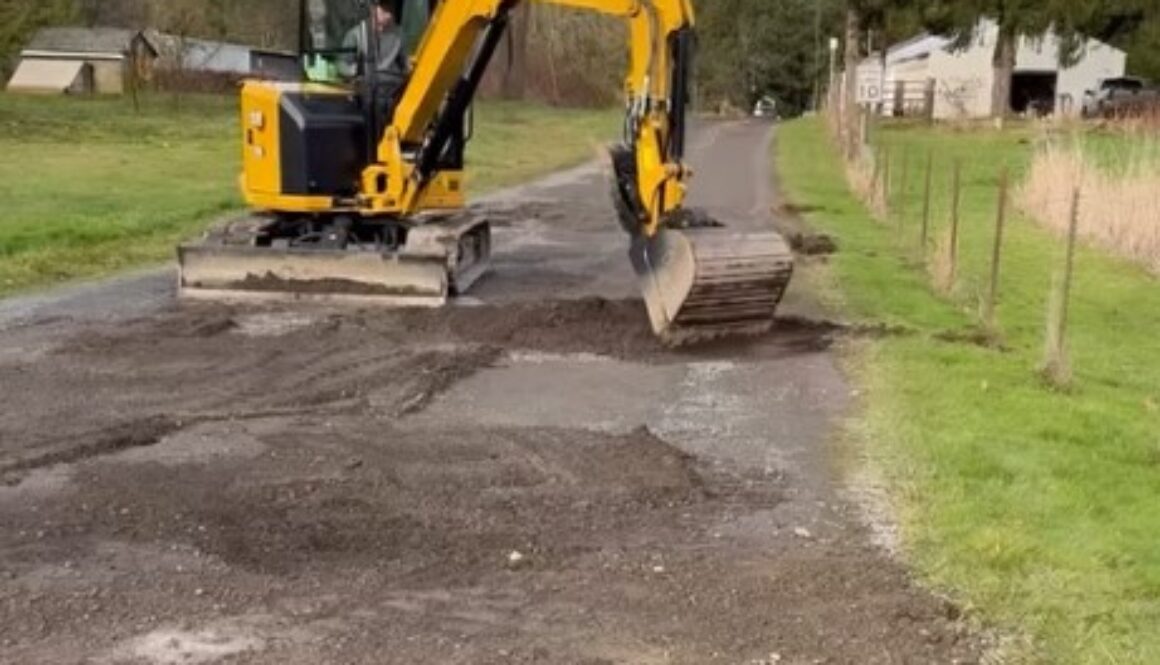
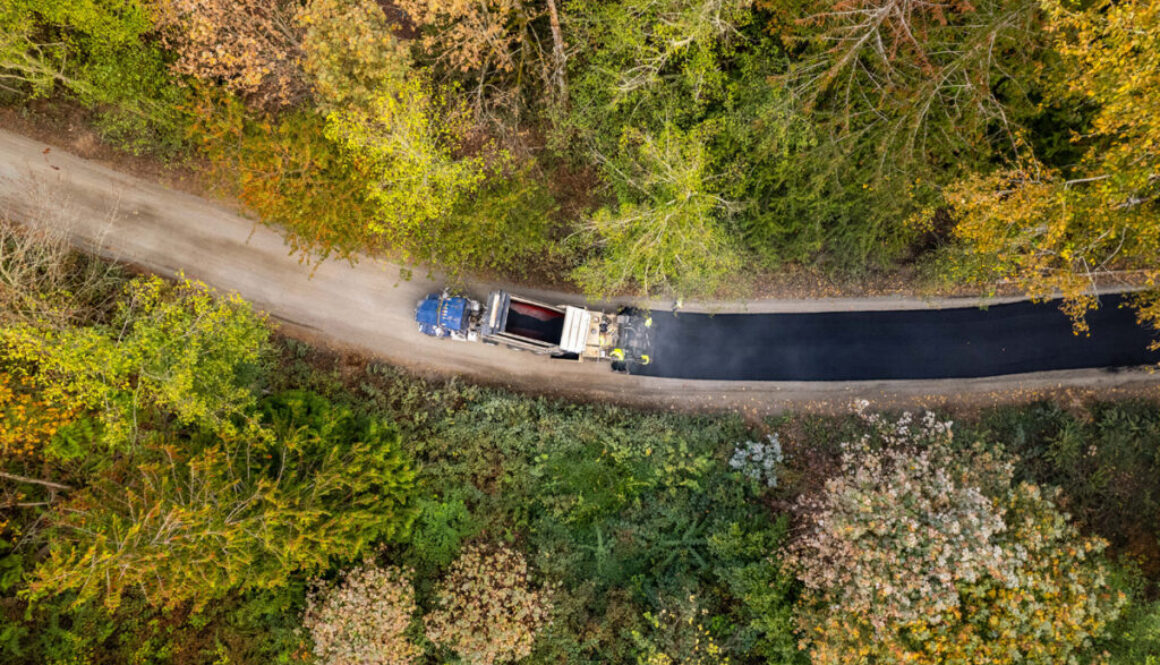
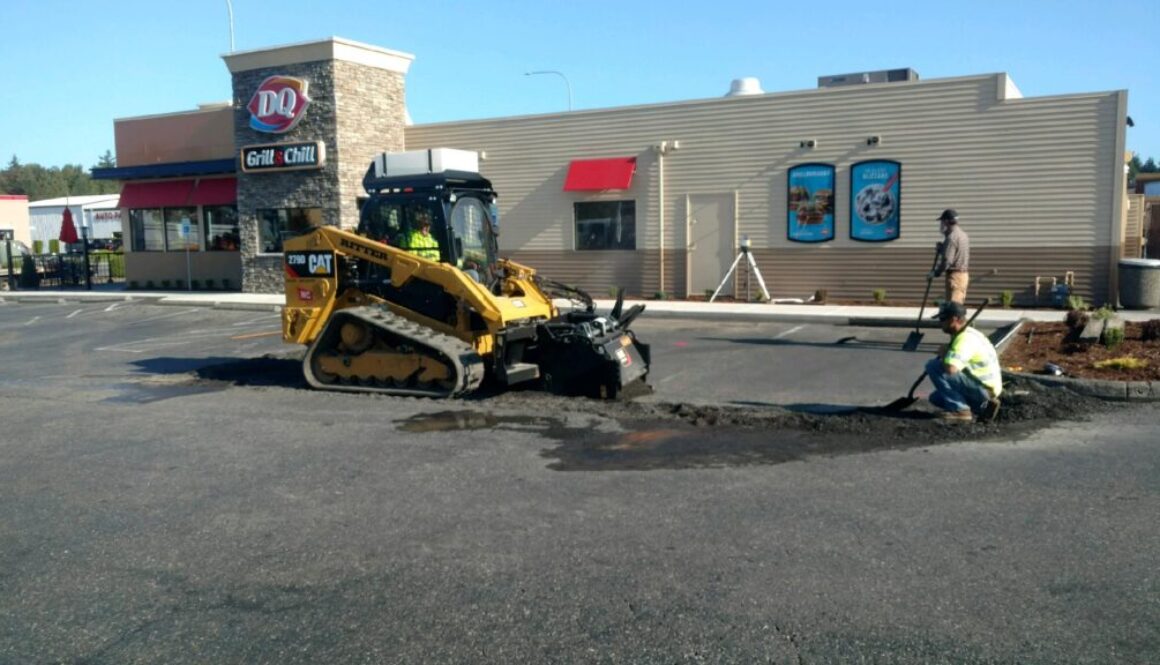
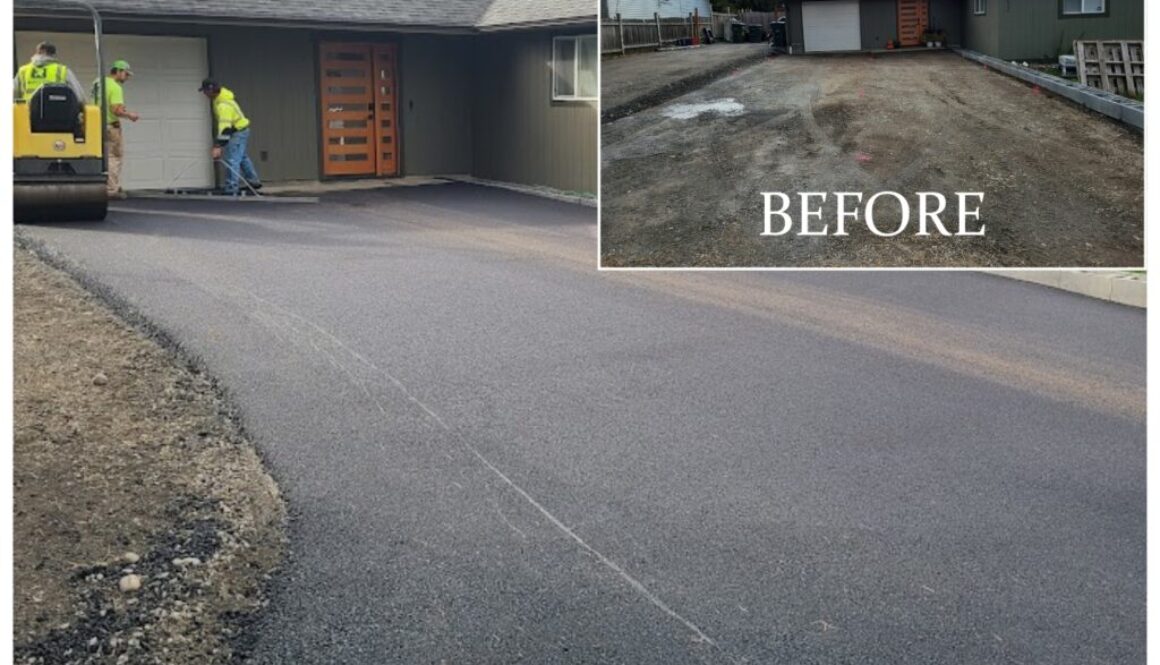
Spring brings longer days and a short window to get outdoor work done. For property owners and managers in Whatcom County, planning early with a reliable asphalt paving contractor can save time and limit delays. Ritter Dirt and Asphalt is here to remind people to book spring projects now to secure schedules for asphalt paving, excavation and site prep.
Whatcom County’s weather plays a big role in paving and earthwork. Asphalt needs dry conditions and consistent temperatures to perform well. Excavation and grading depend on soil that has drained after months of winter rain. Areas like Bellingham, Ferndale, Lynden and Blaine often see different soil and drainage conditions, which makes local experience important when planning spring work.
Once the weather improves, demand increases fast. Driveways, parking lots, access roads and farm or industrial yards all compete for the same crews and equipment. If planning waits until late spring, new projects often have to fit around others already on the schedule. That can mean longer lead times or limited flexibility. When a project is booked early, it goes on the calendar first. Other work is scheduled around it. This gives property owners more control over start dates and overall scope. Early planning also allows Ritter crews to plan work around weather patterns instead of rushing once demand spikes.
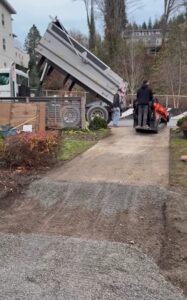
Spring is also a practical time to address damage from winter use. Cracks, drainage issues and uneven surfaces can show up after heavy rain and freeze cycles. Catching these issues early can prevent larger repairs later in the year. Local knowledge matters during this process. Soil types vary across the county, from heavier clay areas to well-draining gravel zones. Drainage patterns also differ depending on elevation and proximity to water. Ritter Dirt and Asphalt uses this local experience to plan excavation and paving for each site.
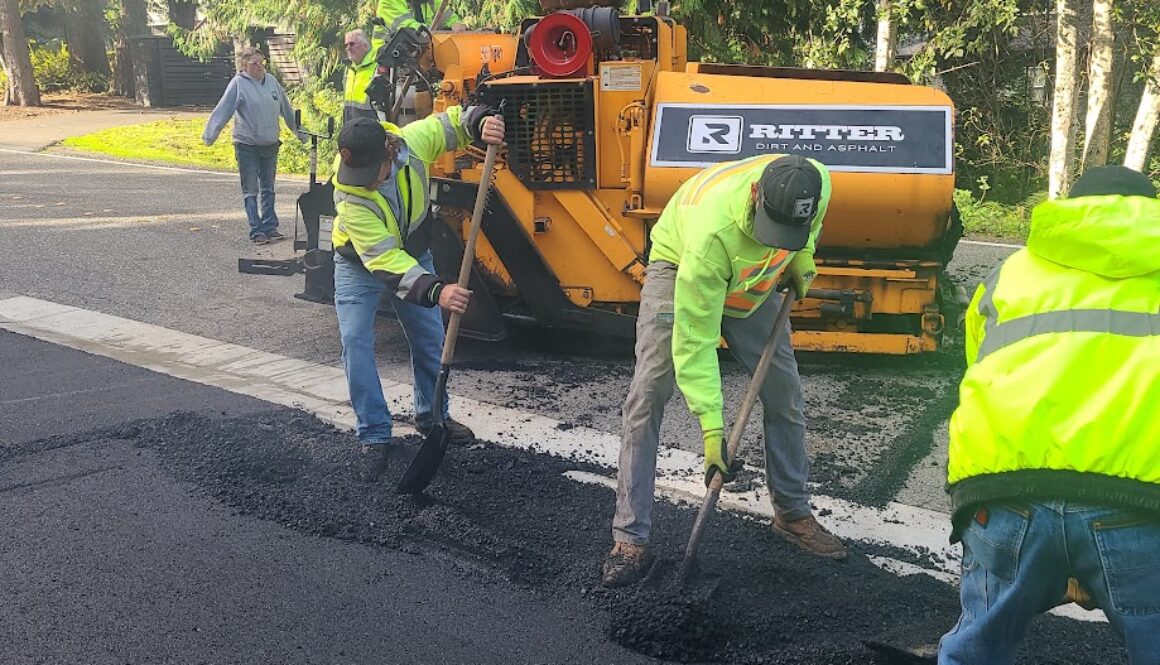
Ritter Dirt and Asphalt serves customers across Whatcom and Skagit counties with asphalt paving, excavation and site prep. We work with property owners to create a plan that fits their needs, budget and timeline. Local knowledge helps crews plan around soil conditions, drainage patterns and seasonal weather. Contact us now for a free quote, to discuss your project and to reserve a spot on the schedule. Early planning leads to a timeline that works for you!

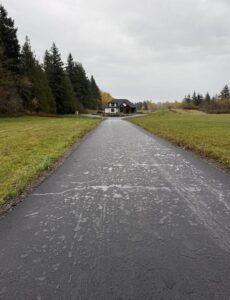

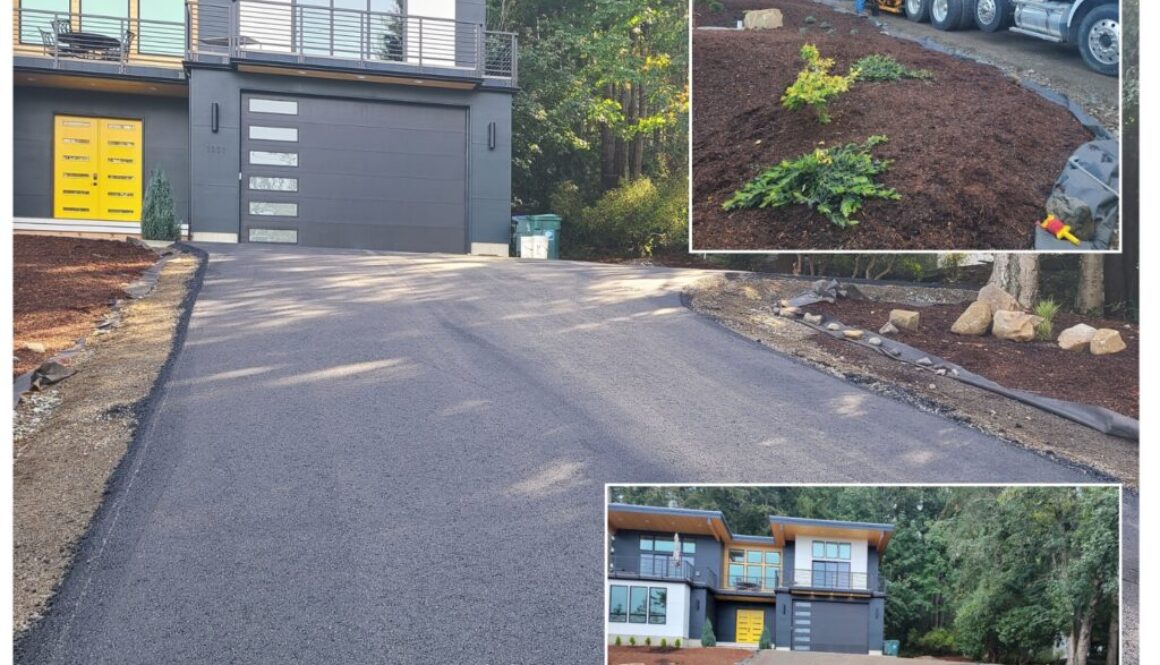
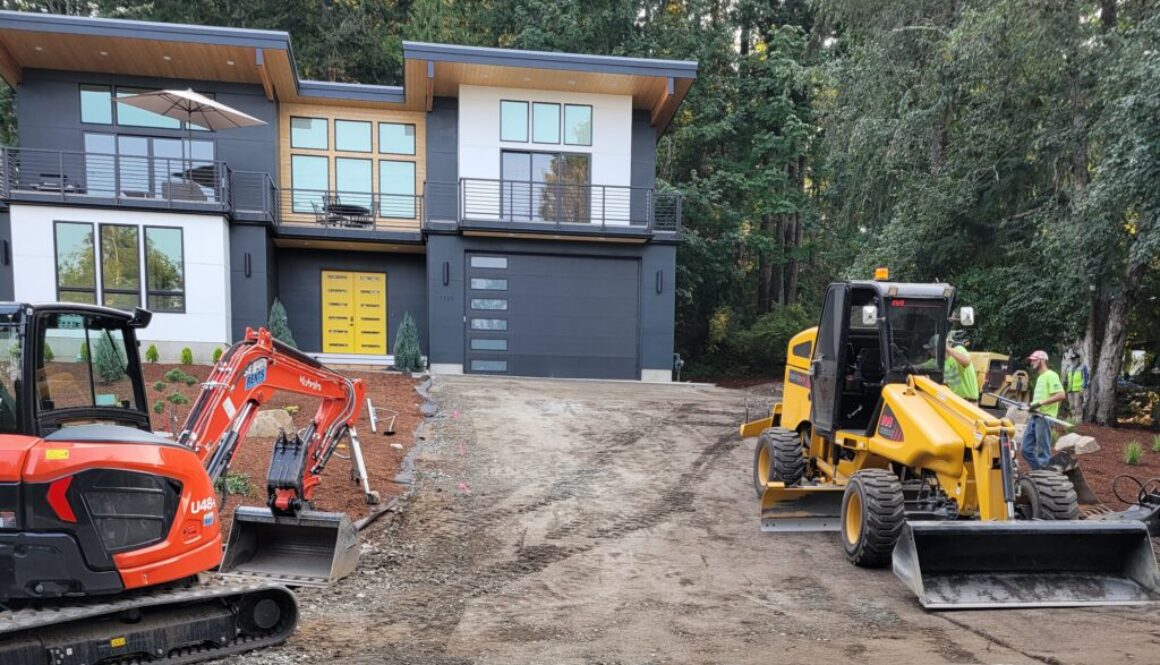
 Living on a hillside property in Bellingham can offer stunning views—but it can also come with unique construction challenges. If you’re in neighborhoods like South Hill in Fairhaven, Geneva, Sudden Valley, King Mountain, or along Chuckanut Drive, you know that steep slopes, poor drainage and stormwater runoff can complicate home improvement projects, especially when it comes to installing or replacing an asphalt driveway.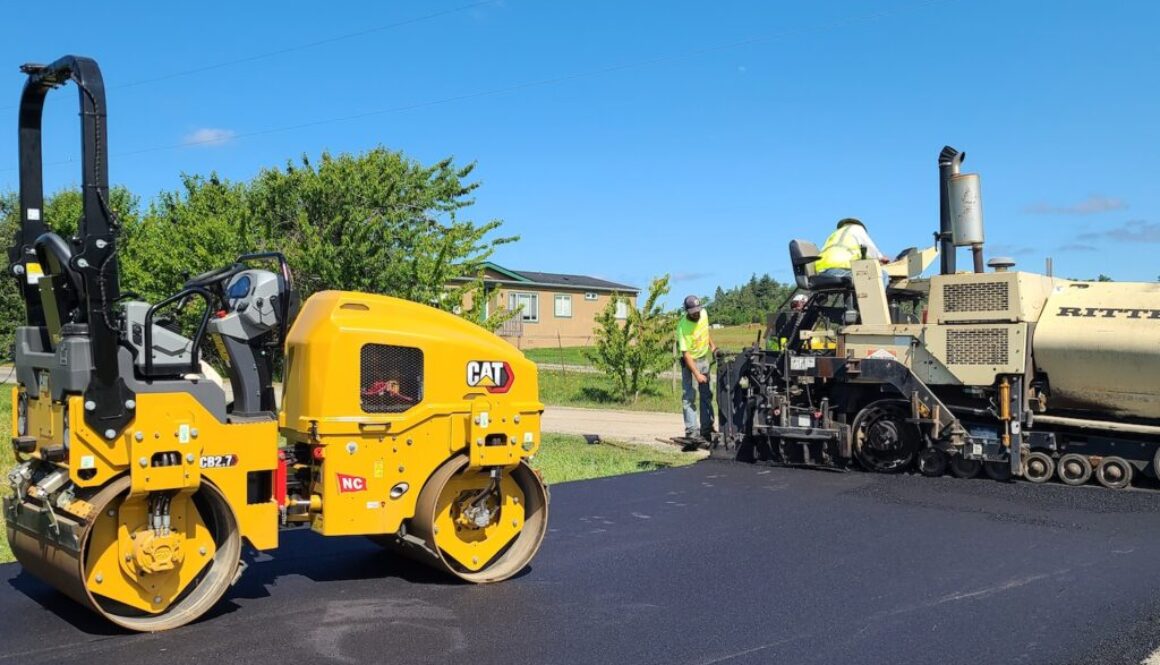
 Stronger foundations for driveways, building sites and horse arenas